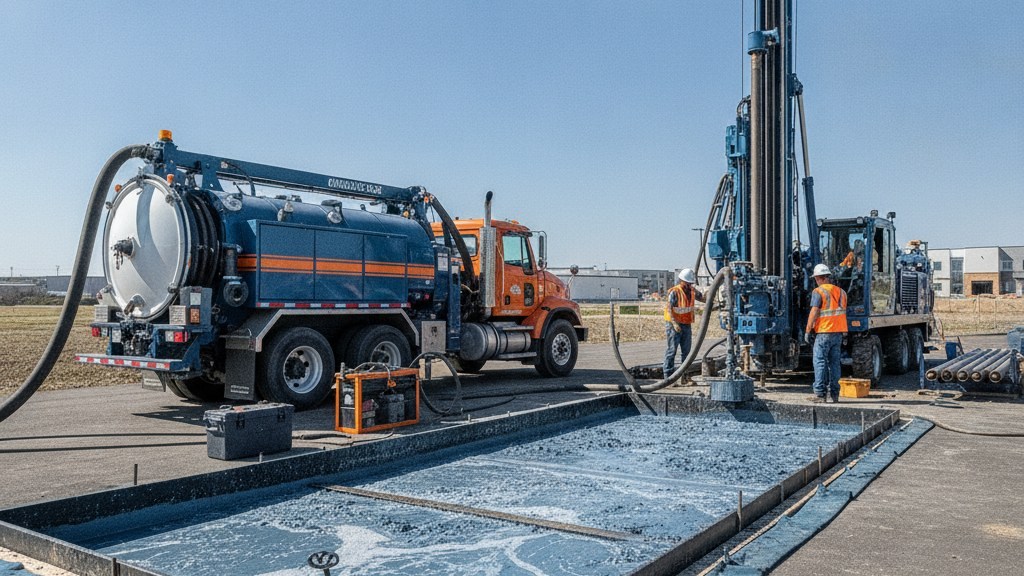
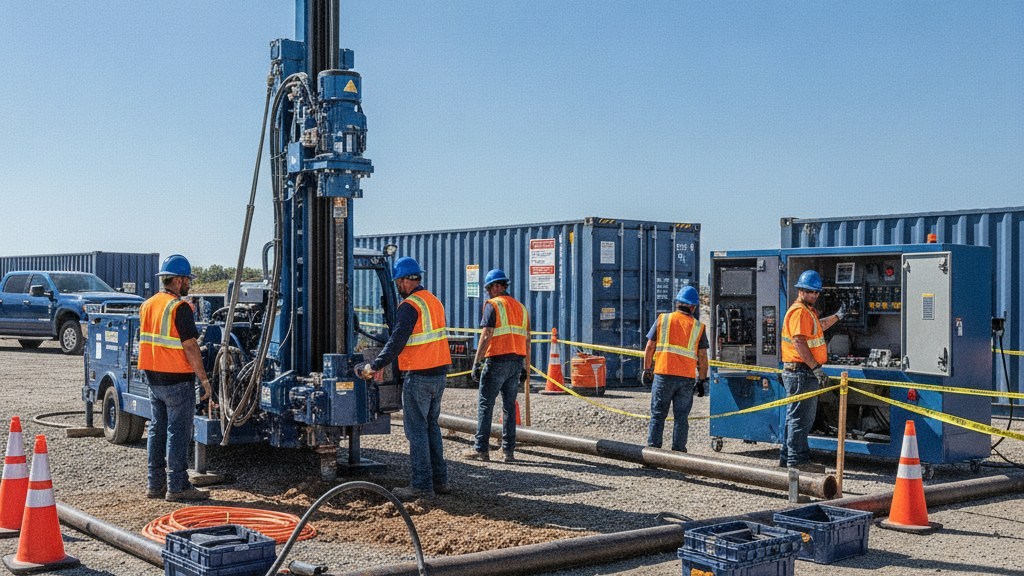
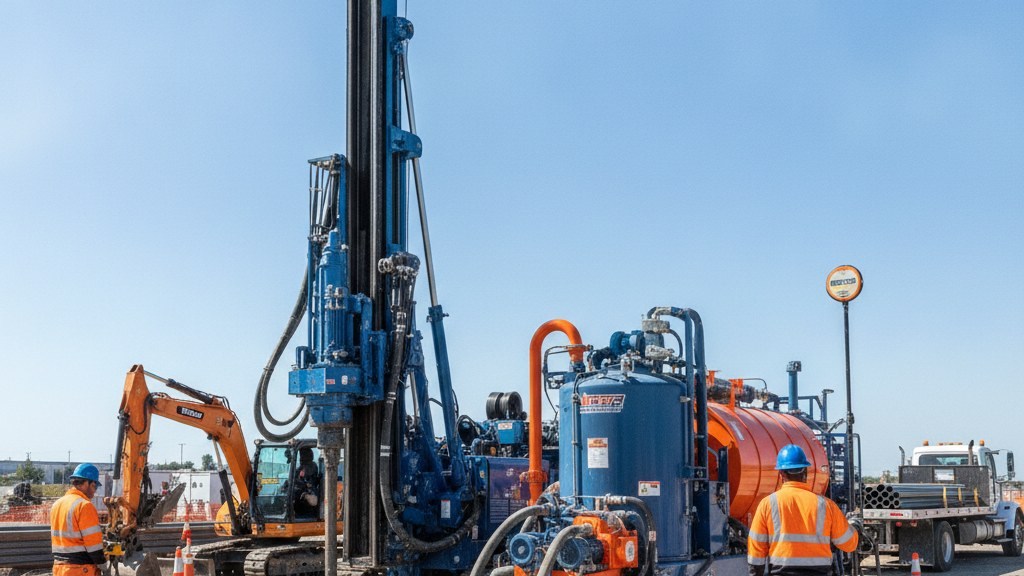
Every directional drilling contractor knows the colored marking flags and spray-paint that appear before a job — the visible output of the 811 locate process. What's less obvious is how directly that process ties to your insurance. Damage prevention and coverage are two sides of the same coin: the discipline you bring to locates affects both your strike frequency and how your operation is viewed by carriers.
What 811 is
811 is the FCC-designated national 'Call Before You Dig' number. Before you excavate or bore, you notify your state's one-call center, which alerts the utility owners in the area; those owners then mark the approximate location of their buried lines, free of charge, using the standard color code. The Common Ground Alliance promotes the process nationally. It exists to prevent the single most common cause of buried-utility damage: digging or boring without knowing what's underground.
Why it matters so much in directional drilling
Boring is blind work — you're drilling through ground already full of other people's utilities, often without being able to see them directly. The 811 marks plus careful potholing (physically exposing a line to confirm its location and depth) are your primary defense against a strike. Failure to call 811 is the top driver of buried-utility damage nationwide, and damage to underground infrastructure costs billions of dollars a year in the U.S. For a bore contractor, a disciplined locate process is the difference between a safe job and a catastrophic strike.
How locates affect your coverage and pricing
Carriers expect contractors to follow the locate process, and it shows up in how claims and pricing work. A strike on a properly located-and-potholed line that turned out to be mismarked or unmarked is handled very differently from one where the contractor skipped the call entirely. A documented, disciplined 811 and potholing program supports your insurability and can help your pricing, because it demonstrates you actively manage your biggest exposure. Sloppy locate practices, by contrast, raise red flags for underwriters and can drive up cost or limit your options.
Coverage still matters — because strikes still happen
Even with a flawless locate process, strikes happen: lines get mismarked, abandoned utilities don't appear in records, and ground conditions surprise careful crews. That's why damage prevention and insurance work together. A disciplined 811 process reduces the frequency of strikes; underground-utility and care-custody-control coverage pays when one occurs anyway, since standard general liability often excludes damage to the struck line. You need both — the discipline and the coverage behind it.
Build the program around how you actually work
The strongest bore contractors pair a documented locate-and-potholing process with coverage sized to the utilities they work around. If you want to review how your damage-prevention practices line up with your coverage — and make sure a strike is actually insured — call 844-967-5247 or request a free quote. We'll close the below-grade and CCC gaps standard policies leave open.
Get a free quote for your bore operation
Talk to a specialist about pollution, equipment, underground-utility, and the full coverage an HDD operation needs. Free, no obligation — usually same day.